

Gwinnett Flock misuse case puts spotlight on 13 cameras mapped in Loganville |
Loganville authorities say no local misuse has been identified and camera searches must be connected to an active case |
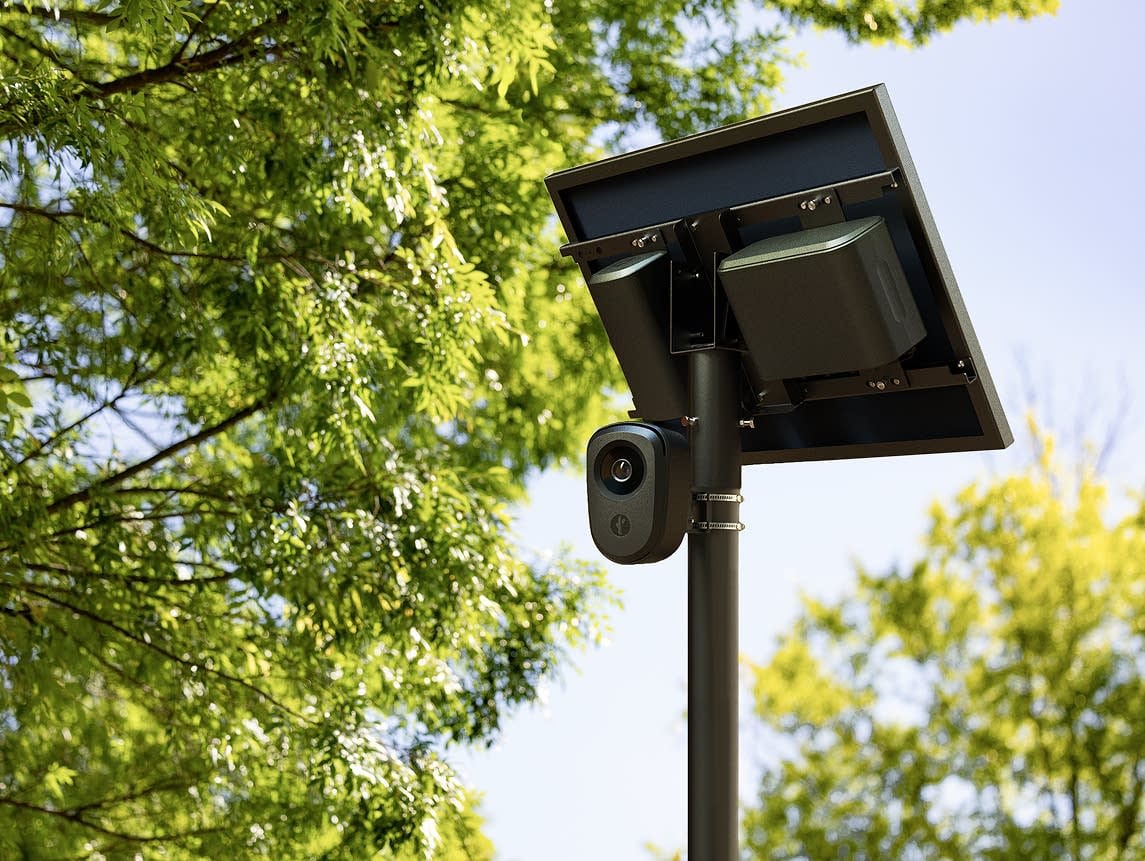
LOGANVILLE, Ga. — Sept. 11, 2026 — The arrest and firing of three Gwinnett County police officers accused of misusing Flock license-plate-reader information is drawing renewed attention to the technology’s presence in Loganville and the safeguards governing its use.
A review of the DeFlock crowdsourced camera map shows 13 automated license-plate-reader locations within Loganville’s city limits.
That number should not be considered an official inventory of cameras owned or operated by the City of Loganville. DeFlock says its database is compiled through volunteer reports and OpenStreetMap data, meaning locations can be added, removed or reclassified. However, the map provides a picture of how extensively plate-reading technology has become part of Loganville’s public-safety landscape.
Flock cameras photograph passing vehicles and record information including license-plate numbers, vehicle descriptions, locations and times. Law-enforcement agencies can search that information when investigating crimes, locating stolen vehicles or looking for vehicles connected to missing and endangered people.
For Loganville residents, the cameras can provide police with leads within minutes instead of requiring investigators to manually review hours of conventional surveillance video. At the same time, the searchable record of where vehicles have traveled has raised concerns about privacy, access and the potential for misuse.
Those concerns gained new urgency after the Gwinnett County Police Department announced Sept. 9 that three officers had been fired and charged following separate investigations involving alleged misuse of license-plate-reader information.
According to Gwinnett police, former officer Renee Downer was arrested in May and charged with simple battery and stalking. Former officer Derric Holmes faces six counts of misuse of license-plate data, while former officer Matthew Lau faces one count. The investigations remain active, and Gwinnett police said additional charges are possible. The charges are allegations, and the former officers are presumed innocent unless proven guilty in court.
Although Gwinnett County’s investigation occurred just west of Loganville, local officials say no similar misuse has been discovered within the City of Loganville or Walton County.
Loganville Police Chief M.D. Lowry and Walton County Sheriff Keith Brooks recently told residents attending a TRIAD meeting that their agencies have implemented safeguards intended to prevent unauthorized access.
Local searches must be connected to a specific case, and regular audits are conducted to review use of the system. Loganville and Walton County have also reduced the standard retention period for camera data to seven days. Information may be retained longer when it is needed as evidence in a particular investigation.
That local seven-day limit is more restrictive than Gwinnett County’s newly adopted 15-day retention period.
Gwinnett police said the department strengthened its rules after gaining access in June to an expanded Flock auditing system capable of providing greater scrutiny of officers’ search activity.
Under Gwinnett’s revised procedures, an officer requesting a search must give the justification to a direct supervisor. The supervisor must evaluate the request and, when appropriate, conduct the search. Officers are also undergoing additional training, and Gwinnett reduced its data-retention period from 30 days to 15 days.
Gwinnett Police Chief J.D. McClure said the department understands the public expects close oversight of who can access the system and how it is used. He said misuse will not be tolerated, while maintaining that Flock remains an important tool for solving violent crimes and locating people in danger.
Gwinnett police said license-plate-reader alerts have assisted investigations involving homicides, shootings, child abductions, stolen vehicles and missing or endangered people, including individuals with dementia.
The Gwinnett cases do not establish that Loganville’s cameras have been misused. They do, however, demonstrate why audit trails, limited access, short retention periods and case-specific searches are important wherever the technology is deployed.
For Loganville, the issue is no longer whether license-plate readers are present. With 13 locations currently appearing on a public camera map, the larger question is how the technology is supervised—and whether residents can be confident that a useful crime-fighting system will remain restricted to legitimate public-safety purposes. |
20 Comments
Join the conversation
Does the city ever ask residents before putting these up?
Francis L.I don’t think they ever asked. I just noticed one at the Walmart a while back. Would be nice if they let people know first.
Currently, public input is not required before installing these cameras, but growing awareness and concerns could spark more community conversations in the future.
Those Flock maps aren’t always accurate though. Could be more, could be less.
I kinda trust our Loganville police more than Gwinnett after reading this.
Thanks for sharing, Loganville and Walton County have implemented stricter safeguards and shorter retention periods in response to these very concerns.
I wish there was a public list of where all the cameras are. Feels sneaky.
That's a great point. While the DeFlock crowdsourced map offers a partial picture, there is not yet an official public list from the city.
If the tech helps find missing kids, I’m for it. But don’t want people snooping.
Elisa B.I agree. It's a tough balance. I like that they say there's stricter rules now, but I really hope they stick to them.
I get the safety thing but this is too much watching for me.
We hear you. The balance between safety and privacy is at the heart of why safeguards and audits are so vital for these systems.
Drew99I understand how you feel. It does start to feel like every move is tracked. Maybe there could be a balance between safety and privacy.
I've lived here 20 years, didn't even know we had these cameras all over.
It's easy to miss, but Loganville currently has 13 license-plate-reader locations on the public map, a sign of just how embedded this technology is becoming in our community.
James H.Same here! I drove past one last week and only realized what it was after seeing this article. Wish there was better info from the city.
Glad they fired those officers. That's scary how they misused info.
Public accountability is crucial, and Gwinnett's swift action highlights both the risks and necessity for oversight with this technology.
Seven days is better than 30 days but it still feels like a lot
I don't like that there are so many of these cameras now